
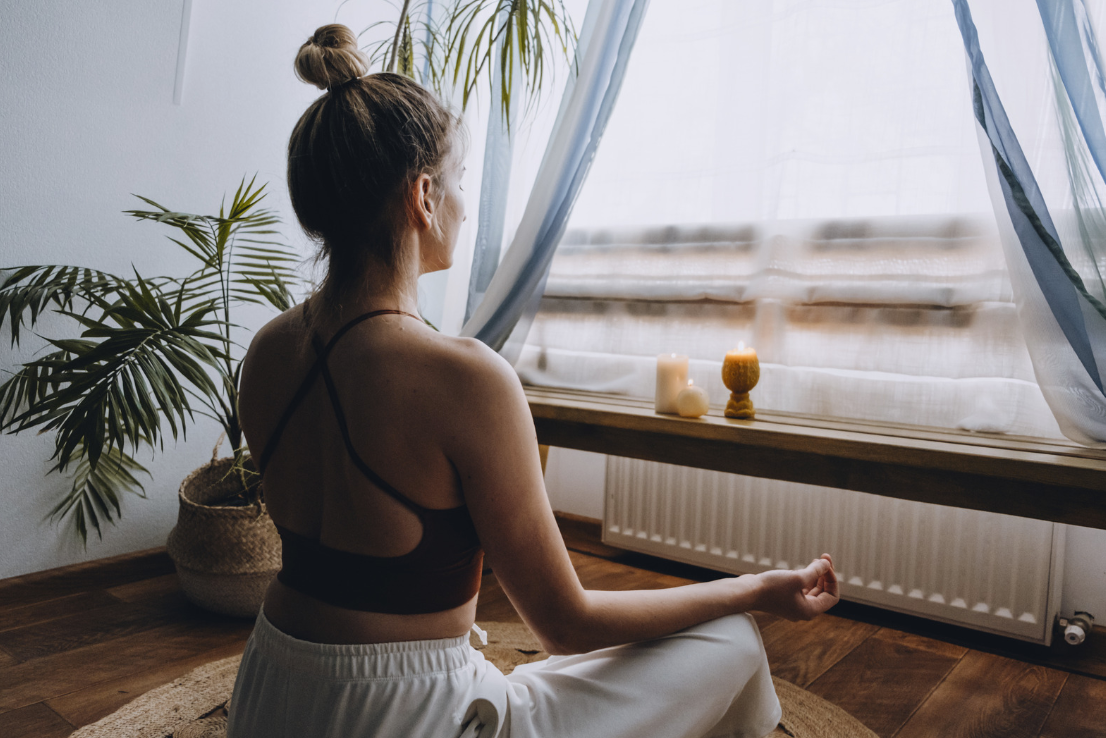
A sacred space is a place you intentionally associate with reflection, prayer, rest, creativity, or connection. It can be spiritual, secular, or somewhere in between. It does not need to be a separate room, expensive, permanent, or impressive—and it does not guarantee healing. Its value comes from how safely and consistently you use it.
Decide What “Sacred” Means to You
Start with a purpose. Do you want a place for meditation, journaling, religious practice, grief, reading, or a few quiet breaths? Choose one or two uses instead of trying to build a space that does everything.
If you follow a faith tradition, consider its own guidance for altars, icons, direction, cleanliness, or prayer. Sacred objects from living cultures are not generic décor. Learn their context, buy responsibly, and avoid copying a ceremony or symbol you do not understand.
Choose a Realistic Location
A windowsill, bedside table, chair, shelf, garden spot, or portable box can be enough. In a shared home, ask before claiming common space, burning anything, playing sound, or displaying objects that affect others. A sacred corner should not make a roommate, child, partner, pet, or visitor less safe or comfortable.
Think about access. Leave a clear path, use a supportive chair, keep frequently used items within reach, and provide adequate light. A portable kit can work for renters, travelers, people with limited space, or anyone who needs to put items away.
Create a Simple Altar or Focus Point
An altar can hold a photograph, meaningful text, stone, shell, flower, artwork, religious object, or written intention. It can also be an empty surface. Select a few items whose meaning you can explain to yourself; clutter can turn a calming practice into another maintenance task.
Do not take natural or cultural objects from protected land, sacred sites, graves, or places where collecting is prohibited. If an item is irreplaceable, keep it away from water, flame, direct sunlight, pets, and unstable shelves.
Use Candles and Incense Safely
Flame is optional. The National Fire Protection Association’s candle guidance recommends sturdy holders, keeping candles at least one foot from anything that can burn, and extinguishing them before leaving the room or going to sleep. Never use a candle where home oxygen is present. Battery-powered candles are a practical alternative.
Smoke can affect indoor air and may bother people with asthma, migraines, allergies, pregnancy-related sensitivity, or pets. The U.S. Environmental Protection Agency advises adequate ventilation when burning candles or incense. A smoke-free ritual can use light, music, a bowl of water, fresh flowers, or a scent-free object instead.
Add Sound, Texture, and Light
Soft music, a bell, a blanket, natural light, or a familiar object can signal that it is time to slow down. Keep sound at a respectful volume and avoid flashing lights if they trigger symptoms. Scent is not necessary, and “natural” oils can still irritate people or harm pets.
These sensory choices may support a routine, but they do not clear measurable negative energy or treat illness. If you use spiritual language, describe it as personal meaning: “This bell helps me mark the start of prayer,” rather than “This frequency heals the body.”
Build a Short Ritual
Try a repeatable five-minute sequence:
- Put your phone on silent and sit comfortably.
- Name what you are feeling without judging it.
- Take several easy breaths or offer a brief prayer.
- Write one value and one practical next step.
- Close by tidying the surface and extinguishing any flame.
For a flexible present-moment practice, read Making Your Day Better with Mindfulness. If mornings suit you, the safety-aware routine in Rituals at Sunrise puts sleep and practical action first.
Make Room for Difficult Feelings
A sacred space does not have to feel peaceful every time. Grief, anger, numbness, or distraction may appear. Do not treat this as spiritual failure. You can shorten the practice, move to a brighter room, contact someone you trust, or do an ordinary task that helps you feel present.
Reflection can complement medical or mental health care, but it cannot diagnose or cure a condition. If illness, pain, anxiety, depression, trauma symptoms, or sleep problems persist, contact an appropriate professional. Urgent symptoms need urgent care, not a ritual.
Protect Privacy and Boundaries
Keep journals secure and avoid placing another person’s photo, hair, message, or belongings on an altar without considering consent. A personal ritual should not be used to control someone, override their decisions, or claim access to their thoughts.
If a psychic or spiritual adviser tells you that your home is cursed, insists you must buy costly cleansing materials, or discourages professional help, step away. You can explore symbolism without accepting fear-based claims. The grounding principles in Everyone Has a Shadow Self offer another way to reflect without shame or certainty.
Review the Space Over Time
After a week or two, ask whether you actually use the space, whether it feels physically safe, and whether the ritual supports the purpose you chose. Remove items that create pressure or maintenance. A sacred space can change with seasons, beliefs, mobility, grief, and household needs.
The goal is not to manufacture constant calm. It is to create a small, respectful environment where attention and values can become practical choices.
Frequently Asked Questions
Do I need a separate room for a sacred space?
No. A chair, shelf, windowsill, portable box, or outdoor spot can work if it is safe and meaningful to you.
Can a sacred space heal illness?
No space or ritual is a medical treatment. It may support reflection or rest, but symptoms should be addressed by qualified professionals.
Is it safe to burn candles or incense?
Both add risk. Follow fire-safety guidance, ventilate, consider household health and pets, and choose flameless or smoke-free alternatives when appropriate.
What should I put on an altar?
Choose a few lawful, responsibly sourced items with personal or religious meaning. An altar may also be simple or empty.