
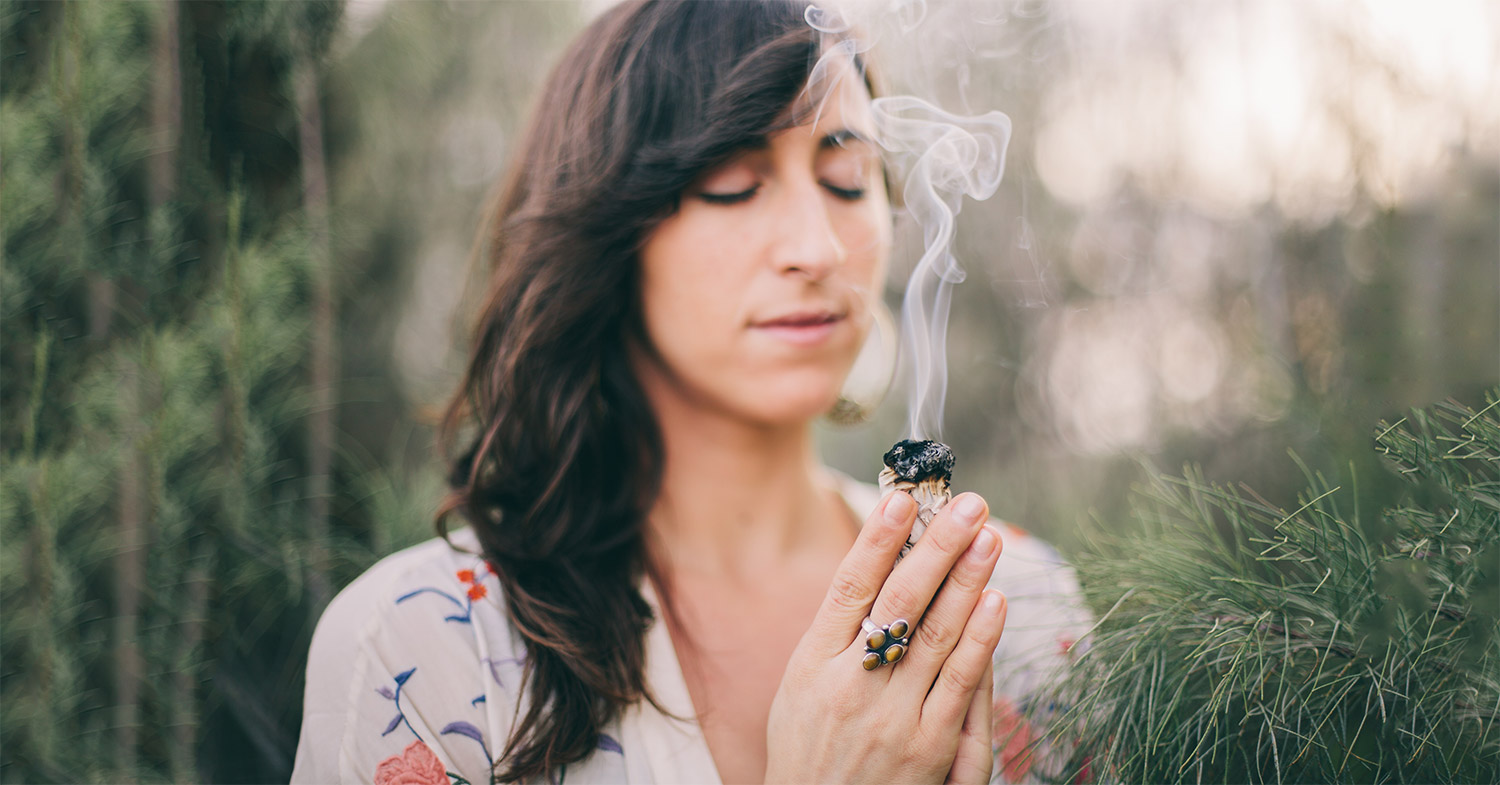
Travel can feel spiritually and emotionally unsettled: unfamiliar rooms, disrupted sleep, noise, crowds, and the loss of normal routines can make a place feel “off.” Some people describe that sensation as mixed or negative energy. A cleansing ritual may provide comfort and mark a transition, but it cannot confirm or remove ghosts, spirits, curses, or other invisible causes.
In a hotel, rental, airplane, vehicle, campground, or shared home, safety and property rules come first. Avoid smoke, flame, loose powders, oils, and anything that could trigger alarms, damage surfaces, affect another guest, or create breathing problems. You can build a meaningful travel ritual without burning or leaving anything behind.
A smoke-free spiritual cleansing routine
1. Check the practical environment
Lock the door, locate emergency exits, check that windows and balcony doors are secure, and report safety, cleanliness, pests, mold, or maintenance concerns to the property. Spiritual practice should not replace a practical response to an actual hazard.
2. Orient yourself
Stand or sit comfortably and name the place, date, and time. Notice five neutral details in the room. Let your breathing remain natural; you do not need to force deep breaths. If focusing inward increases anxiety, keep your eyes open and concentrate on objects or sounds around you.
3. Create a temporary boundary
Place one personal item—such as a scarf, travel photograph, small stone you already own, or written intention—on a table. Use it as a reminder: “This is my temporary resting space. I will care for myself and respect the place.” Do not arrange objects where they could create a trip or choking hazard.
4. Use light without flame
Turn on a lamp or use a battery-operated candle. Imagine the light reaching the parts of the room you can see while reminding yourself that imagery is a personal calming tool, not proof that an entity was present. Open curtains only when privacy and security allow.
5. Use sound at a considerate volume
Play a short piece of music through headphones, ring a quiet travel chime once if permitted, hum softly, pray, or speak an intention in a normal voice. Observe quiet hours and remember that neighboring guests have not consented to participate in your ritual.
6. Reset through ordinary actions
Wash your hands, change clothes, drink water if appropriate, unpack one essential item, and set out what you need for the morning. These actions can help your nervous system recognize that the transition is complete.
7. Close the ritual
Thank whatever spiritual figure, tradition, or value matters to you, then deliberately end the practice. Choose a practical next step: set an alarm, contact home, read, or rest. Repeating a ritual until it feels “perfect” can increase anxiety rather than relieve it.
Why candles, smoke, salt, and oils are poor hotel choices
Open flames and smoldering materials can start fires, and many properties prohibit them. The National Fire Protection Association’s candle guidance explains that candles should be kept away from anything that can burn and never left unattended. In travel lodging, the safest choice is to follow the property’s rules and use a flameless alternative.
Smoke and fragrance can worsen asthma, migraines, allergies, or sensory distress and may linger for later guests. Salt, herbs, ash, and oils can stain, corrode, attract pests, or create slipping hazards. Never sprinkle substances in hotel corners, drawers, beds, vents, or bathrooms.
White sage is sacred to several Indigenous peoples and wild populations face harvesting pressure. The California Native Plant Society’s white sage conservation information offers context about poaching and responsible sourcing. You do not need white sage—or any purchased spiritual product—to make a personal ritual meaningful.
When “bad energy” may be travel stress
Jet lag, dehydration, unfamiliar sounds, alcohol, medication changes, poor sleep, anxiety, and expectation can affect mood and perception. Ask what changed in your body and environment before deciding the cause is spiritual. The mindfulness practice guide gives a brief orientation method, and making peace with the restless mind offers tools for recurring thoughts.
If you hear voices, see figures, feel watched, or become intensely fearful, do not assume a hotel is haunted. Turn on the lights, check the environment, contact a trusted person or front desk, and seek medical or mental-health support when experiences persist, impair functioning, or involve commands. Contact local emergency services if there is immediate danger or you cannot stay safe.
Frequently asked questions
Can I burn sage or a candle in a hotel room?
Usually you should not. Smoke and flames may violate property rules, trigger alarms, affect others, or start a fire. Use a flameless, smoke-free practice.
What can I use instead of salt or smoke?
Try a battery candle, quiet prayer, headphones, journaling, ordinary tidying, a personal object, or a brief grounding exercise that leaves no residue.
Does an uncomfortable room mean it is haunted?
No. Noise, lighting, odors, poor sleep, stress, expectation, and safety concerns can all affect how a room feels. Check practical causes first.
Do I need special supplies for spiritual protection while traveling?
No. A simple intention, practical safety check, familiar routine, and respectful boundary can be enough. Products do not guarantee protection.