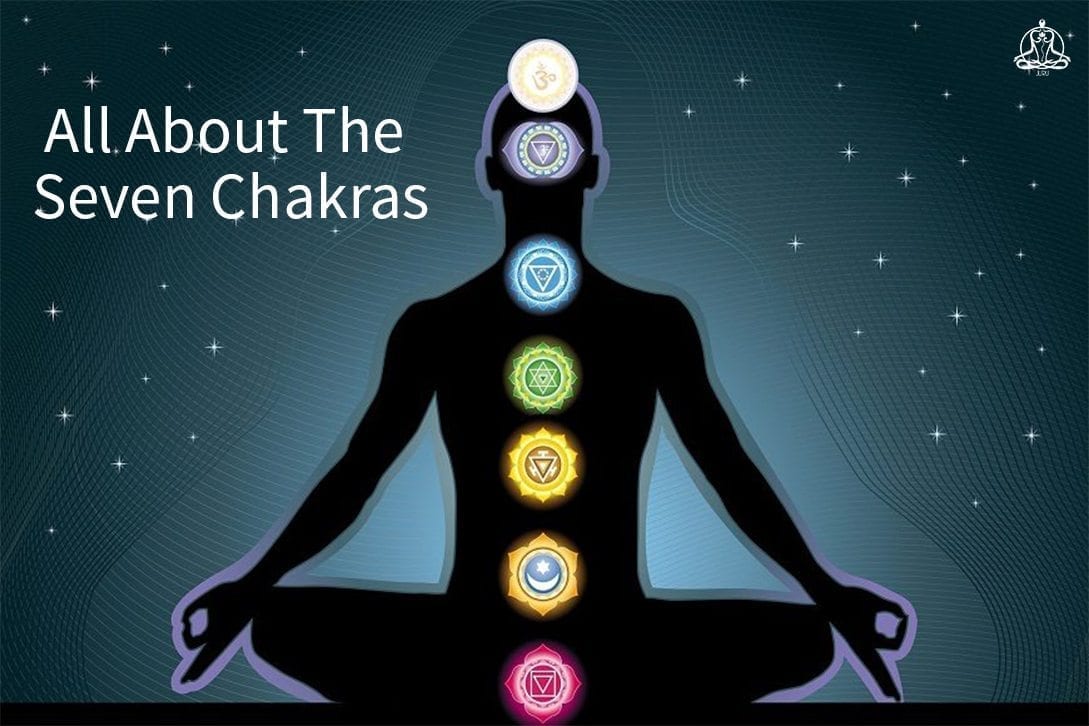
Some modern spiritual traditions describe the planet as having seven “earth chakras”: places that symbolically mirror the seven-chakra map used in some forms of yoga and contemporary energy work. The locations below are widely repeated in New Age writing, but they are not a scientifically established energy network, and there is no single historical or religious authority that recognizes one definitive global map.
It is more accurate to approach this list as a symbolic framework for reflection, pilgrimage, and connection with landscape. The word chakra comes from Sanskrit and has a long, varied history in Hindu and Buddhist traditions; Western seven-chakra systems are later interpretations rather than one universal ancient doctrine. For useful background, see the Encyclopaedia Britannica overview of chakras.
The commonly cited seven earth chakra locations
1. Root chakra: Mount Shasta, California, United States
Mount Shasta is often associated with grounding, stability, and beginnings. In the symbolic earth-chakra map, it represents the “root” from which life force is imagined to rise. Visitors can use the mountain as a prompt to reflect on belonging, physical needs, family foundations, and their relationship with the natural world.
2. Sacral chakra: Lake Titicaca, Bolivia and Peru
Lake Titicaca is commonly linked with creativity, emotion, sexuality, and renewal. Modern spiritual accounts sometimes connect the lake and surrounding Andean stories with serpent symbolism or kundalini imagery. Those comparisons are interpretations, not proof that separate cultural traditions describe the same energy system. Learn from local sources and avoid treating living Indigenous beliefs as decorative New Age material.
3. Solar plexus chakra: Uluru and Kata Tjuta, Australia
This location is associated symbolically with vitality, will, and the processing of emotion. Uluru and Kata Tjuta are also sacred living cultural landscapes for Anangu, the traditional owners. The UNESCO World Heritage listing for Uluṟu-Kata Tjuṯa National Park explains the site’s combined natural and cultural significance. Spiritual visitors should follow Anangu guidance, observe access restrictions, and never assume a personal practice overrides local law or custodianship.
4. Heart chakra: Glastonbury and Shaftesbury, England
Glastonbury and Shaftesbury are often paired as the heart center of this modern map. Writers associate them with compassion, relationship, healing, and stories of the Holy Grail. Crop circles and unusual sensations are sometimes added to the narrative, but these do not establish a measurable planetary chakra. A grounded reflection might ask what helps you act with care while maintaining healthy boundaries.
5. Throat chakra: Great Pyramid of Giza and Mount Sinai, Egypt, and the Mount of Olives, Jerusalem
Different versions of the list place the symbolic throat center at one or several sites in Egypt and Jerusalem. The theme is communication: speaking honestly, listening closely, and considering how stories move between cultures. Claims that one of these places is the exact center of Earth’s landmass depend on how coastlines, projections, and “center” are defined, so they should not be treated as settled geographic fact.
6. Third-eye chakra: a moving location, often placed in Western Europe
The sixth point is the least consistent. Some spiritual writers say it moves with astrological ages and currently lies in Western Europe. That makes it a flexible symbol of perception rather than a fixed place that can be independently located. Claims about portals, extra dimensions, or the pineal gland are spiritual or speculative interpretations, not established neuroscience or physics.
If you want to explore perception safely, use a calm practice such as clairvoyant meditation as structured reflection. Record what you notice before deciding what it means, and consider ordinary explanations alongside spiritual ones.
7. Crown chakra: Mount Kailash, Tibet Autonomous Region, China
Mount Kailash is commonly presented as the crown point, symbolizing spiritual purpose and connection with something larger than the self. It is sacred in Hinduism, Buddhism, Jainism, and Bön. Treat it first as a place of profound importance to living religious communities, not merely as an entry on a personal energy checklist.
How to work with the earth-chakra idea responsibly
You do not need to travel to use this framework. Choose one location and the quality assigned to it—grounding, creativity, courage, compassion, communication, insight, or meaning. Spend ten minutes journaling about where that quality is present or missing in your life. Then select one practical action, such as making a budget, completing a creative task, apologizing clearly, or asking for support.
If you do visit a site, research its official access rules, environmental protections, and cultural protocols. Stay on permitted paths, do not remove stones or plants, and avoid leaving crystals, offerings, ash, or other objects. A place can feel personally powerful without being owned, explained, or altered by the visitor.
Experiences during meditation or travel can be meaningful while still having more than one possible explanation. Fatigue, expectation, altitude, emotion, and suggestion can all affect perception. Avoid using a perceived message to replace medical care, legal advice, financial judgment, or another person’s consent. For another way to examine spiritual narratives without surrendering critical thinking, read how soul-contract beliefs are formed.
Frequently asked questions
Are the earth’s seven chakra points scientifically proven?
No. The seven-location map is a modern spiritual framework, not a scientifically verified system of planetary energy centers.
Is there one universally accepted earth-chakra map?
No. Lists vary among writers and communities, especially for the throat and third-eye locations. Treat any map as one interpretation.
Do I need to visit these places to connect with their symbolism?
No. You can reflect on each assigned quality from home through journaling, meditation, art, or a practical action that expresses it.
How can I visit a sacred location respectfully?
Follow official rules and local custodians’ guidance, stay in permitted areas, avoid removing or leaving objects, and learn how living communities understand the place.