
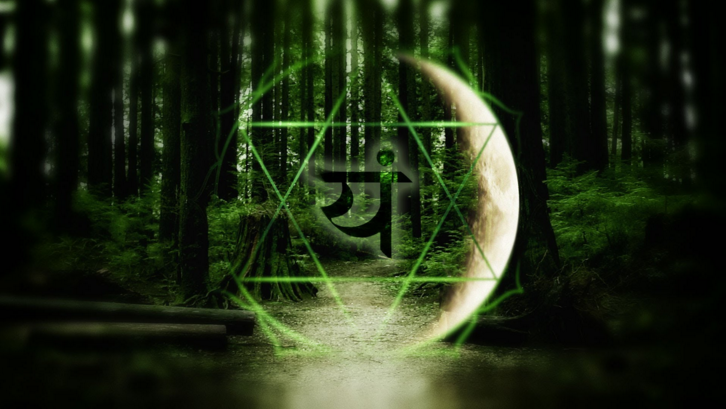
The heart chakra, often called anahata, is a spiritual and symbolic concept in several South Asian traditions. Modern wellness practices commonly associate it with love, compassion, grief, relationship boundaries, the color green, and the center of the chest. These associations are not medical anatomy, and a “blocked” chakra is not a diagnosis.
You may use heart-chakra practices for reflection, prayer, or relaxation. They cannot establish what is happening in your heart, lungs, thymus, or nervous system, and they should not replace healthcare.
Spiritual symbolism versus physical health
A feeling in the chest may arise during emotion, stress, movement, or meditation, but it can also have a medical cause. Do not assume chest pressure, pain, shortness of breath, faintness, nausea, or unusual fatigue is energy moving. The American Heart Association says to call 911 for possible heart-attack warning signs. Outside the United States, use your local emergency number.
For non-emergency but persistent symptoms, seek qualified medical advice. Spiritual practices may accompany care if they are safe for you; they cannot clear an artery, treat infection, or cure heart or lung disease.
Five heart-chakra reflection techniques
1. A brief, choice-based meditation
Sit or lie in a position that is comfortable and physically safe. Keep your eyes open if closing them feels unsettling. Notice the support beneath you and take several natural breaths without forcing their depth or pace. Place a hand on your upper chest only if touch feels comfortable.
Choose a question such as: “Where could I act with more care without abandoning my boundaries?” Let answers be possibilities, not commands. After five minutes, write one practical action. The National Center for Complementary and Integrative Health notes that meditation research is varied and sometimes interpreted too optimistically; adverse experiences can occur. Stop if the practice sharply increases anxiety, depression, agitation, dissociation, or sleeplessness.
2. Use green as a visual cue
Green can serve as a reminder of a value you choose—compassion, steadiness, repair, or healthy limits. Wear it, place a green object near your journal, or look at a plant. Color does not emit a proven healing frequency, and it will not medically balance your body. Its value here is as a cue for attention.
3. Repeat a mantra or grounding phrase
Some traditions use the seed syllable “yam” in practices associated with anahata. If you use a sacred term, learn from a knowledgeable source and respect its cultural context. You can also choose plain language:
- “Care and boundaries can exist together.”
- “I can pause before I respond.”
- “Forgiveness is a choice, not an obligation.”
- “I can seek help when I need it.”
A mantra may focus attention; it does not guarantee healing or make a difficult relationship safe.
4. Turn an affirmation into a small action
An affirmation works best when it is believable and connected to behavior. If “I completely love myself” feels false, try “I am practicing one kinder response today.” Pair it with an action: drink water, make an appointment, decline an unwanted request, send a clear message, or take ten quiet minutes.
Our guide to the solar plexus chakra as a confidence metaphor uses the same approach: symbolism can prompt reflection without becoming a claim about diagnosis or energy mechanics.
5. Listen to music with intention
Choose music that supports the state you want—calm, grief, courage, connection, or movement. Notice what it evokes rather than assuming the music contains a hidden message. Keep the volume safe, and avoid headphones when you need to hear traffic, alarms, or other surroundings.
Music can be part of a personal ritual. It does not prove that a chakra has opened or that an emotion has been permanently resolved.
Compassion needs boundaries
“Open your heart” should never mean tolerating control, manipulation, unwanted contact, or abuse. You can care about someone and still leave, say no, protect your privacy, or limit what you give. Unconditional love is a spiritual ideal for some people, not a requirement to offer unconditional access.
If shame makes it difficult to name your needs, see our guide to responding to shame with self-compassion. For a present-focused exercise, try brief mindfulness grounded in observation.
A simple weekly check-in
- Name one relationship or situation that is on your mind.
- List the facts you know and the assumptions you are making.
- Identify the feeling without judging it as positive or negative.
- Choose one value: care, honesty, reciprocity, safety, or rest.
- Take one specific action that respects both you and other people.
- Review what changed after a week.
This is a reflective practice, not a test of spiritual purity. You do not fail because grief remains, a relationship ends, or an affirmation does not change your mood.
Frequently asked questions
Is the heart chakra a physical organ?
No. It is a spiritual and symbolic concept, not the anatomical heart, lungs, thymus, or a medically measurable structure.
Can heart-chakra meditation treat chest pain?
No. Chest pain can have serious causes. Seek medical advice and use emergency services for possible heart-attack symptoms.
Do I have to forgive someone to open my heart chakra?
No. Forgiveness is personal and never requires renewed contact, lost boundaries, or excusing harm.
How often should I practice?
There is no evidence-based schedule for “opening” a chakra. Use brief sessions only when they feel safe and useful, and stop if distress increases.