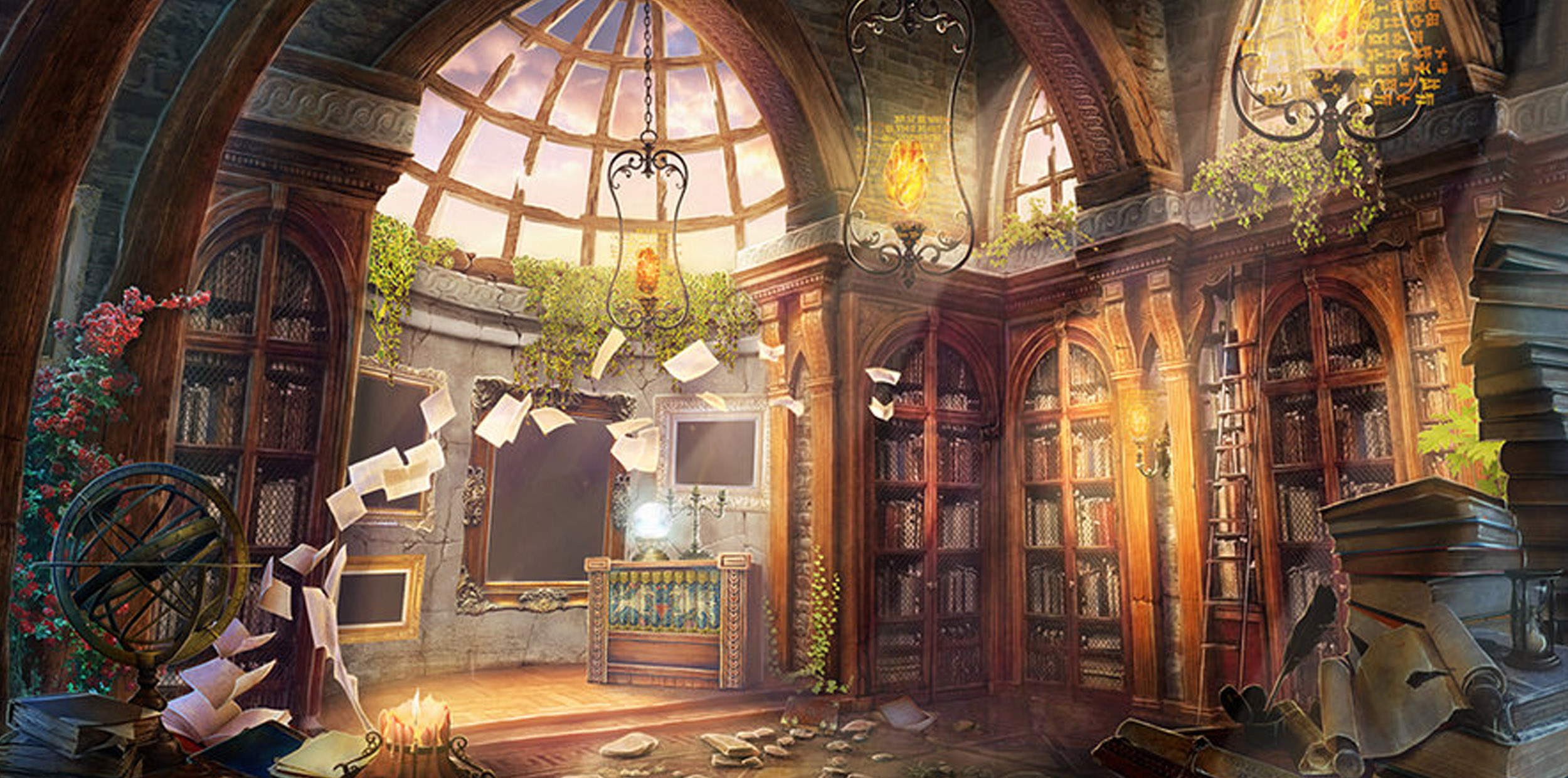
“Mystical arts” is a broad label for spiritual, symbolic, and contemplative traditions. People may study meditation, divination, ritual, energy concepts, mythology, or intuitive practices for personal meaning. These systems can be culturally important without being scientific methods for diagnosing health or proving supernatural abilities.
A responsible course or self-study plan should distinguish tradition, personal experience, and evidence. It should also protect consent, privacy, health, and financial wellbeing.
Chakras as a symbolic framework
Chakra systems developed within South Asian religious and philosophical traditions, and descriptions vary across texts, schools, and modern wellness practices. The familiar seven-chakra, rainbow-colored model is one popular modern arrangement—not a universal map of anatomy.
Some people use the seven centers as prompts for reflection:
- Root: red; stability, belonging, and practical safety.
- Sacral: orange; creativity, pleasure, and relationships.
- Solar plexus: yellow; agency, confidence, and boundaries.
- Heart: green; care, grief, connection, and compassion.
- Throat: blue; expression, listening, and communication.
- Third eye: indigo; perspective, imagination, and discernment.
- Crown: violet or white; meaning, spirituality, and connection to something larger.
These associations are spiritual conventions, not measurable organs or energy networks. A chakra label cannot establish why someone has pain, digestive changes, thyroid symptoms, depression, addiction, headaches, nightmares, infertility, or relationship conflict.
Do not diagnose a “blockage”
Fear, fatigue, low mood, creative difficulty, trust concerns, physical symptoms, or discomfort can have many explanations. Answering yes to a checklist does not prove blocked energy. Abuse is never caused by a victim’s chakra, vibration, spiritual weakness, or failure to heal.
Use appropriate help for the actual concern: a licensed healthcare professional for physical or mental-health symptoms, emergency services for immediate danger, and a domestic-violence service or trusted local resource for abuse. Do not delay care while attempting to balance energy.
The National Center for Complementary and Integrative Health overview of Reiki says the practice has not been clearly shown effective for health-related purposes and that scientific evidence does not support the proposed energy field. Reiki and chakra traditions are not identical, but the same evidence boundary applies: feeling calmer during a ritual does not demonstrate a hidden field or diagnose disease.
A low-risk chakra reflection
- Choose a theme. Pick one quality, such as safety, communication, or compassion, rather than diagnosing a body part.
- Observe. Notice current thoughts, emotions, and circumstances in plain language.
- Visualize. If comfortable, picture the traditional color for one or two minutes. Treat the image as a focus aid.
- Connect to action. Choose a practical step: make an appointment, set a boundary, apologize, rest, review a budget, or contact support.
- Close. Look around the room, move gently, and return to normal activity.
Visualization is optional. Stop if it increases panic, dissociation, intrusive memories, confusion, headaches, or compulsive practice. Do not combine it with sleep deprivation, fasting, hyperventilation, substances, pain, bright-light staring, or stopping medication.
For a focused symbolic example, see The Solar Plexus Chakra: A Reflection on Confidence. For a broader look at spiritual energy claims and evidence limits, read Energy Healing: Beliefs, Evidence and Limits.
How to evaluate a mystical-arts school
Before paying, ask for the syllabus, total price, refund policy, instructor background, expected time commitment, privacy terms, and whether recordings or testimonials are optional. Search the business name with words such as “complaint,” “refund,” and “review.” Check whether credentials are independently recognized or merely issued by the seller.
Healthy instruction allows questions and disagreement. Warning signs include guaranteed psychic powers, cures, secret diagnoses, fear of curses, pressure to buy repeated clearings or initiations, claims that doubt blocks success, demands for secrecy, requests to abandon medical care, or efforts to isolate you from supportive people.
Never practice readings on someone without permission, publish private information, investigate a crime, locate a missing person, announce pregnancy or death, or accuse someone of abuse or infidelity based on a spiritual impression. Do not present a course certificate as a healthcare, counseling, legal, or financial qualification.
A balanced conclusion
Mystical study can support reflection, creativity, community, and cultural learning. Its value does not require treating symbols as anatomy or impressions as facts. Keep spiritual meaning separate from diagnosis, test factual claims with reliable evidence, and choose teachers who respect consent, uncertainty, and professional boundaries.
Frequently Asked Questions
Are chakras scientifically proven parts of the body?
No. Chakras are spiritual and symbolic concepts, not structures recognized in anatomy or validated diagnostic tools.
Can a chakra imbalance explain medical symptoms?
No. Symptoms can have many causes and require appropriate professional assessment. Do not delay medical or mental-health care for energy balancing.
Is chakra visualization safe?
Brief, comfortable visualization is generally a low-risk reflection practice, but stop if it increases distress, panic, dissociation, pain, or confusion.
What should I check before joining a mystical-arts course?
Review the full price, curriculum, instructor background, refund and privacy policies, independent reviews, and whether the program respects questions, consent, healthcare, and financial boundaries.