
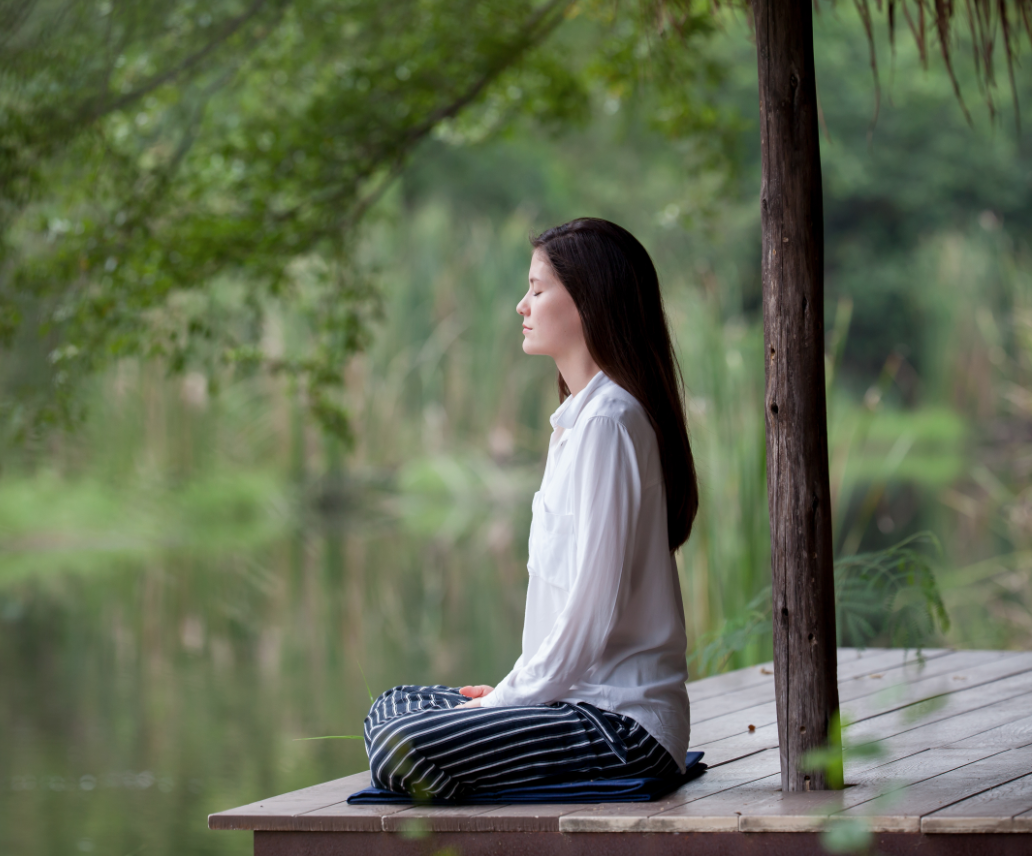
Mindfulness can change how you meet an ordinary moment, but it is not a guaranteed life transformation or a substitute for health care. At its simplest, mindfulness means deliberately noticing present experience—thoughts, emotions, body sensations, and surroundings—with less automatic judgment. Meditation is one way to practise that skill; it is not the only way.
Research suggests that mindfulness-based approaches may help some people with stress, anxiety, depression, pain, or sleep, but results vary and studies have limitations. The National Center for Complementary and Integrative Health summarizes current evidence and safety considerations. Treat mindfulness as a skill to test gently, not a promise that positive thinking will permanently solve every problem.
What mindfulness can realistically do
Mindfulness creates a small pause between noticing and responding. That pause may help you identify an emotion, recognize tension, listen more carefully, or choose a next step instead of reacting on habit. It cannot remove every painful thought, control another person, or make difficult circumstances disappear.
Mindfulness also does not require an empty mind. Minds remember, predict, plan, and wander. The practice is noticing where attention went and returning without turning that wandering into a personal failure. If sitting meditation does not suit you, mindful walking, drawing, washing dishes, or listening to sound may be more accessible.
A simple five-minute mindfulness practice
- Choose a stable position. Sit, stand, lie down, or walk slowly. Use whatever posture is safe and reasonably comfortable.
- Orient to the room. Notice three things you can see and two sounds you can hear. Remind yourself where you are and that you may stop at any time.
- Select an anchor. Use natural breathing, contact with the chair or floor, ambient sound, or a small object. Do not force deep breaths or hold your breath.
- Label gently. When attention moves, use a simple word such as “thinking,” “remembering,” “worrying,” or “hearing.” A label is a note, not a diagnosis.
- Return or adjust. Come back to the anchor. If internal focus feels overwhelming, open your eyes, move, or focus on the external environment.
- Close deliberately. Look around, move your hands and feet, and choose one ordinary next action.
Start with two to five minutes rather than an ambitious session. Frequency often matters more than duration. The NHS introduction to mindfulness also emphasizes awareness of thoughts, feelings, the body, and the world around you.
Using mindfulness in daily life
During a difficult conversation
Notice your feet, volume, speed, and urge to interrupt. Ask one clarifying question before making an assumption. Mindfulness can support communication, but it does not require tolerating disrespect, coercion, or danger.
When the mind is busy
Write the thought down, classify it as a fact, prediction, memory, or task, and decide whether action is needed now. The article on making peace with the restless mind offers a longer, grounded approach to recurring thoughts.
While doing routine tasks
Pick one sensory detail while showering, cooking, commuting, or tidying. Notice temperature, texture, sound, or movement. This makes practice easier to repeat and reduces the idea that mindfulness belongs only in a perfect, silent setting.
Before a decision
Pause long enough to separate what you know from what you fear or hope. Then use relevant evidence, professional advice, and the preferences of people affected by the decision. Calmness can help judgment, but it does not guarantee a correct answer.
When mindfulness needs modification
Meditation can sometimes increase anxiety, traumatic memories, dissociation, agitation, or unusual experiences. Stop or shorten the practice if distress rises. Keep your eyes open, move, name objects in the room, contact a trusted person, or use a familiar grounding activity.
If you have significant trauma symptoms, panic, psychosis, mania, severe depression, or thoughts of self-harm, consider discussing meditation with a qualified clinician who knows your history. Do not stop prescribed treatment or medication because a teacher or spiritual practitioner promises that meditation alone will heal you. Seek urgent help if you may harm yourself or someone else, cannot stay safe, or are losing contact with reality.
Spiritual imagery can be included as personal symbolism, provided you keep the same safety limits. If that approach suits you, the clairvoyant meditation guide frames imagery as reflection rather than verified supernatural information.
A practical way to measure progress
Instead of asking whether your life has been transformed, choose a modest behavior for two weeks: pausing before replying, completing one short session, noticing body tension, or returning attention once. Record what helped, what did not, and any adverse effects. Useful practice should support daily functioning and flexible choice—not create guilt, dependence, or pressure to deny real problems.
Frequently asked questions
Do I have to stop my thoughts to meditate correctly?
No. Mind wandering is expected. The practice is noticing it and returning attention without treating the wandering as failure.
How long should a beginner meditate?
Two to five minutes is a reasonable starting point. Increase gradually only if the practice remains comfortable and useful.
Can mindfulness replace therapy or medication?
No. Mindfulness may complement appropriate care, but it should not replace treatment recommended for a health condition without consulting a qualified professional.
What should I do if meditation makes me feel worse?
Stop or shorten the session, open your eyes, orient to the room, move, and use familiar support. Seek professional help if distress is intense, persistent, or affects safety or daily functioning.